

Welcome, and thanks for supporting and patronizing WorkingGran-Gran2020 Print On Demand Website and Platform. Your support helps me to help and donate to the homeless and shelterless organizations. May the Lord richly bless you in your support.
Baby wearing has been a practice among various cultures for centuries, offering a practical and intimate way to carry infants. It involves using a sling, wrap, or carrier to keep the baby close to the caregiver's body, promoting bonding and providing convenience. While this age-old tradition is popular for its benefits, it has also sparked a debate: is baby wearing bad for baby? This article aims to delve into this question, exploring the advantages, potential risks, expert opinions, and best practices associated with baby wearing.
In the following sections, we will examine the history and cultural significance of baby wearing, discuss the benefits for both the baby and the caregiver, address common concerns, and provide guidelines to ensure safe and effective baby wearing. Whether you're a new parent or a seasoned caregiver, understanding the nuances of this practice can help you make informed decisions that prioritize the well-being of your child.
Potential Benefits of Baby Wearing

Baby wearing offers numerous benefits that make it an appealing choice for many parents and caregivers. One of the most significant advantages is the enhanced bonding and attachment it fosters. Keeping your baby close helps create a secure attachment, which is crucial for their emotional and psychological development.
Another benefit is the convenience it provides. Baby wearing allows caregivers to have their hands free while still keeping their baby close. This can be particularly useful for multitasking, whether it's running errands, doing household chores, or taking care of other children. Additionally, many parents find that baby wearing makes it easier to breastfeed discreetly and comfortably.
For the baby, being worn can have calming effects. The gentle movement, warmth, and proximity to the caregiver's heartbeat can soothe a fussy baby, promote better sleep, and reduce crying. Studies have shown that babies who are worn cry less compared to those who are not. This can lead to a more peaceful and harmonious environment for both baby and caregiver.
Physically, baby wearing can also offer benefits. It promotes healthy hip development when done correctly and can help in the early detection of any developmental issues. The upright position can aid in digestion and reduce the occurrence of colic and reflux.
In essence, baby wearing provides a blend of emotional, practical, and physical benefits that contribute to the overall well-being of both the baby and the caregiver. These advantages make it a practice worth considering for those looking to foster a close bond with their child while managing the demands of daily life.
Possible Risks and Concerns
While baby wearing offers numerous benefits, there are also possible risks and concerns that caregivers should be aware of to ensure the practice is safe for both the baby and the wearer. One of the primary concerns is the risk of suffocation or positional asphyxia. Babies, especially newborns, have weak neck muscles and may not be able to move their heads to ensure an open airway. It's essential to keep the baby's face visible and their airways unobstructed at all times.
Another potential risk is improper hip development. When baby wearing is done incorrectly, it can put undue stress on the baby's hips, leading to hip dysplasia or dislocation. To mitigate this risk, ensure that the baby's legs are in an 'M' shape, with their knees higher than their bottom and their hips spread apart.
Caregivers should also be mindful of the baby's temperature. Being in close contact with an adult's body can sometimes cause the baby to overheat, especially in warm climates or during physical activities. Dress the baby in light, breathable clothing and regularly check their temperature to prevent overheating.
The choice of baby carrier is another crucial factor. Not all carriers are created equal, and some may not provide adequate support or may be made from materials that are not safe for babies. Always opt for carriers that meet safety standards and are made from non-toxic materials.
Lastly, the physical strain on the caregiver is a concern. Incorrectly fitted carriers or wearing a baby for extended periods can lead to back, shoulder, or neck pain for the wearer. It's important to choose a carrier that distributes weight evenly and to take breaks as needed.
By being aware of these risks and taking appropriate precautions, caregivers can enjoy the benefits of baby wearing while minimizing potential hazards. Proper education and adherence to safety guidelines are key to making baby wearing a safe and enjoyable experience for both the baby and the caregiver.
Expert Opinions on Baby Wearing
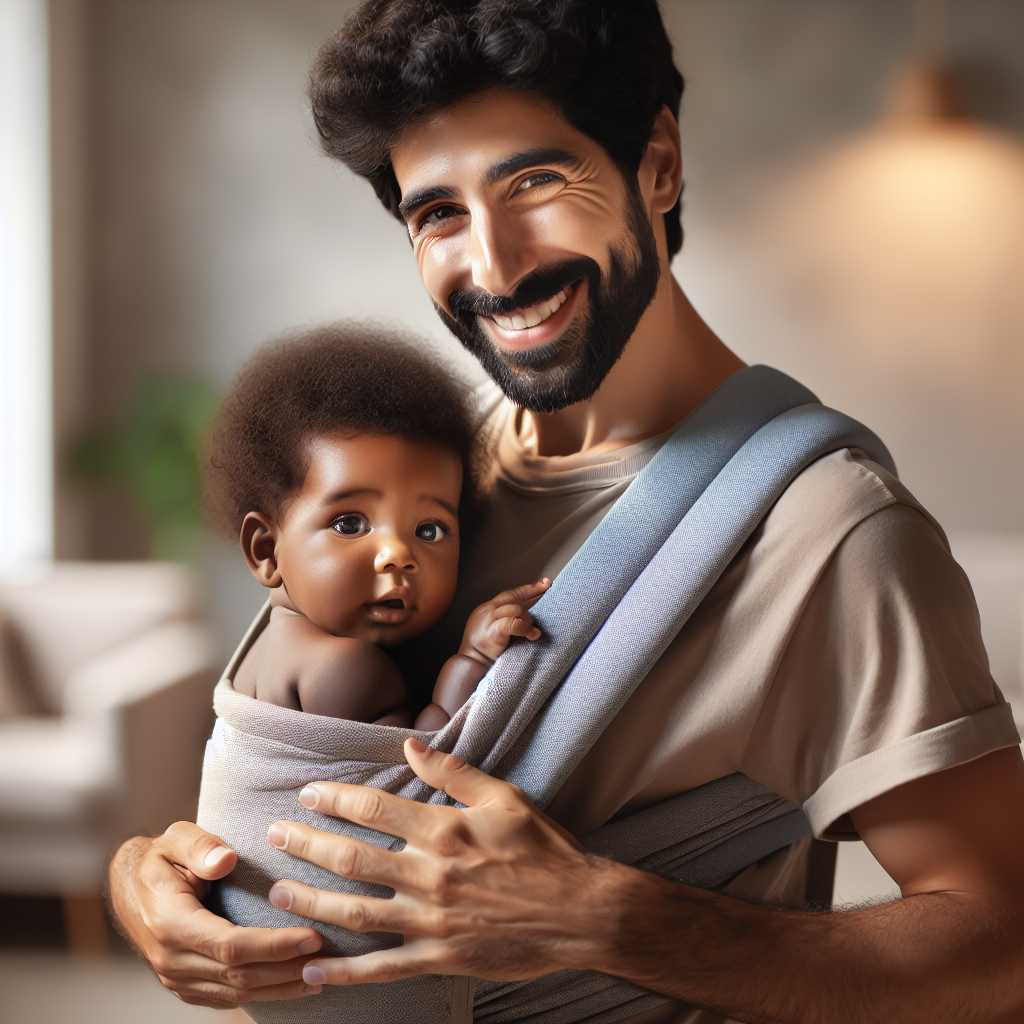
When it comes to the question, "is baby wearing bad for baby," expert opinions can provide valuable insights. Many pediatricians, child development specialists, and baby-wearing consultants have weighed in on this topic, offering a balanced perspective that takes into account the benefits and potential risks.
Dr. William Sears, a renowned pediatrician, advocates for baby wearing, emphasizing the concept of attachment parenting. He argues that baby wearing promotes bonding, emotional security, and physical health. According to Dr. Sears, babies who are worn often cry less and are more content because they feel safe and close to their caregivers.
Dr. Maria Blois, a family physician and author of "Babywearing: The Benefits and Beauty of This Ancient Tradition," also supports baby wearing. She highlights its convenience and the hands-free aspect that allows parents to engage in daily activities while keeping their baby close. Dr. Blois stresses the importance of using ergonomic carriers that support healthy hip development and advises parents to educate themselves on proper baby-wearing techniques.
On the other hand, some experts caution against potential misuse. Dr. Mark Brandenburg, an emergency room physician, warns about the risks of suffocation and falls if baby wearing is done improperly. He recommends that parents follow safety guidelines meticulously to prevent accidents. Similarly, the International Hip Dysplasia Institute advises choosing carriers that promote the correct positioning of the baby's hips to avoid developmental issues.
In a broader context, baby-wearing consultants—such as those certified by the Babywearing Institute—offer tailored advice to parents. They provide guidance on selecting the right carriers, demonstrate safe wearing practices, and address individual concerns. These professionals play a crucial role in ensuring that baby wearing is both beneficial and safe.
Overall, expert opinions suggest that while baby wearing can be highly advantageous, it requires careful attention to safety and proper technique. By adhering to expert advice, caregivers can confidently embrace baby wearing as a nurturing practice that supports both the baby's and the parent's well-being.
Best Practices for Safe Baby Wearing
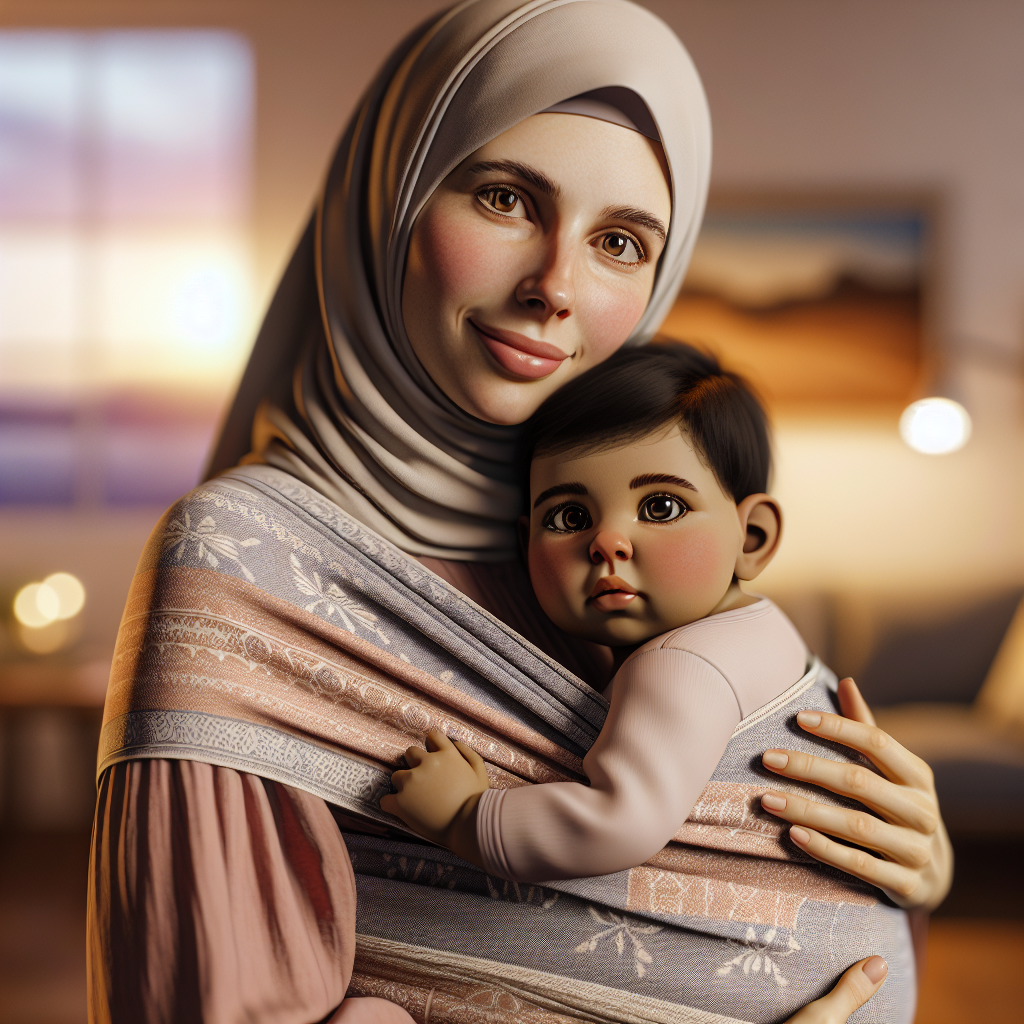
To ensure that baby wearing is both beneficial and safe, it is essential to follow some best practices. Proper techniques and the right equipment can make all the difference in creating a positive experience for both the caregiver and the baby.
Choose the Right Carrier: Selecting an ergonomic carrier is crucial. Look for carriers that support the baby's hips in a healthy, spread-squat position. The International Hip Dysplasia Institute recommends carriers that promote the 'M' position, where the baby's knees are higher than their bottom, which is essential for healthy hip development.
Follow T.I.C.K.S. Guidelines: The T.I.C.K.S. acronym is a popular guideline to remember for baby-wearing safety:
- Tight: The carrier should be tight enough to hug the baby close to you. Any slack or loose fabric can cause the baby to slump down, which can hinder their breathing.
- In view at all times: Ensure that you can see the baby's face without having to move any fabric. Their nose and mouth should be visible to ensure that they have a clear airway.
- Close enough to kiss: The baby's head should be as close to your chin as is comfortable. By tipping your head forward, you should be able to kiss their forehead easily.
- Keep chin off the chest: The baby's chin should not be pressed against their chest as this can restrict their breathing. Ensure that there is always a space of at least one finger width under the baby's chin.
- Supported back: The baby's back should be supported in its natural position. Ensure the baby is held close enough to you that their back is naturally straight and supported.
Wear Appropriate Clothing: Both the caregiver and the baby should wear comfortable, breathable clothing. Overheating can be a concern, so dress in layers that can be adjusted as needed. Additionally, ensure that the baby's head is protected from the sun or cold weather.
Be Aware of Your Surroundings: When wearing your baby, be mindful of your environment. Avoid bending at the waist; instead, bend at the knees to keep the baby secure. Stay away from hazardous areas and be cautious when moving through crowded spaces.
Regular Checks: Periodically check the baby's position and comfort. Adjust the carrier as needed to ensure that the baby remains in a safe and comfortable position. It is also essential to listen to the baby's cues and respond promptly to any signs of discomfort or distress.
By adhering to these best practices, caregivers can enjoy the numerous benefits of baby wearing while ensuring the utmost safety and comfort for their little ones.
Conclusion and Final Thoughts
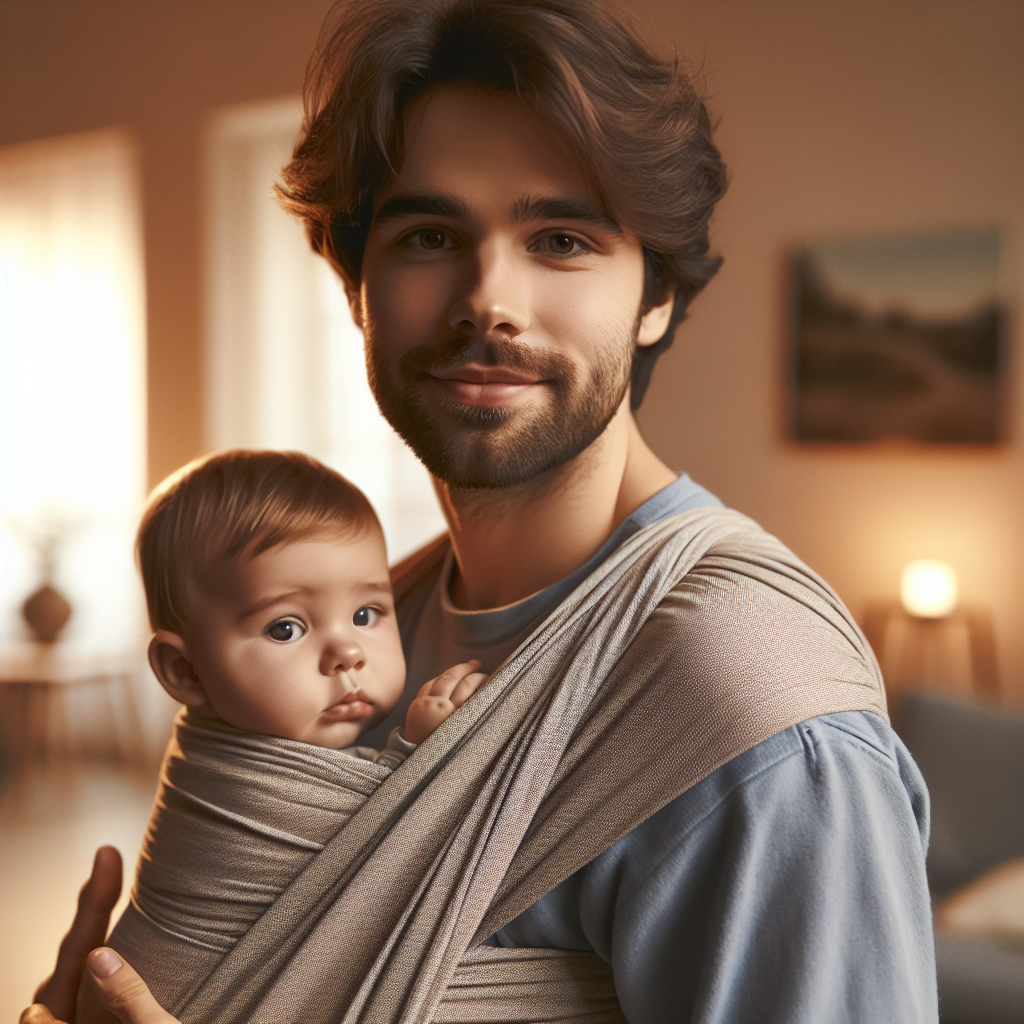
In conclusion, baby wearing, when done correctly, offers numerous benefits for both the baby and the caregiver. It fosters a strong emotional bond, promotes physical development, and provides convenience in daily activities. However, it is crucial to be aware of potential risks and adhere to best practices to ensure the safety and well-being of the baby.
By choosing the right carrier, following the T.I.C.K.S. guidelines, dressing appropriately, and being mindful of your surroundings, you can create a safe and enjoyable baby-wearing experience. Regularly checking on the baby’s position and comfort will further enhance the positive aspects of baby wearing.
As always, if you have any concerns or uncertainties, consult with a healthcare professional or a baby-wearing expert to get personalized advice and recommendations. Their expertise can provide you with additional confidence in your baby-wearing journey.
Welcome, and thanks for supporting and patronizing WorkingGran-Gran2020 Print On Demand Website and Platform. Your support helps me to help and donate to the homeless and shelterless organizations. May the Lord richly bless you in your support. Visit our shop to explore a variety of customized designs that cater to your daily needs: WorkingGran-Gran2020 on RedBubble.