

Childhood is a magical time, a period filled with wonder, exploration, and growth. Every parent wishes to offer their child the best possible experiences, laying a strong foundation for a happy, successful life. Understanding how to give your child the best childhood involves nurturing their emotional, intellectual, and physical development. By fostering an environment of love, encouragement, and safety, you are setting the stage for lifelong resilience and joy.
Creating an enriching childhood experience begins with a focus on love and emotional support. Children flourish in environments where they feel valued and understood. Engaging actively in their daily lives through play, conversation, and shared activities strengthens the parent-child bond and builds trust. Additionally, promoting learning and curiosity is essential. Encourage your child to ask questions and explore new ideas, which fuels their imagination and critical thinking skills.
Moreover, ensuring safety is paramount. A safe environment allows children to explore freely without unnecessary risks. Implementing age-appropriate safety measures both at home and in outdoor settings can prevent accidents and build confidence in young explorers. Lastly, family bonding activities, such as shared meals or weekend outings, not only create cherished memories but also instill a sense of belonging and togetherness.
In this guide, we'll delve into practical tips and strategies to enrich your child's early years, making them memorable and impactful. Join us on this journey to discover how small, thoughtful actions can make a significant difference. Welcome, and thanks for supporting and patronizing WorkingGran-Gran2020 Print On Demand Website and Platform. Your support helps me to contribute to homeless and shelterless organizations. May the Lord richly bless you in your support.
Fostering a Loving Environment

Building a loving environment for your child is one of the most critical aspects of providing the best childhood experience. A nurturing atmosphere not only enhances emotional well-being but also promotes healthy development in various facets of life. A home filled with love and understanding encourages children to express themselves openly and confidently.
One way to foster a loving environment is through open communication. Encourage your child to share their feelings, thoughts, and experiences with you. Listening actively without judgment helps children feel respected and valued. It's important to validate their emotions, whether they are feeling happy, sad, or frustrated. This validation teaches them that their feelings are important and deserve recognition.
Additionally, showing affection is an essential component. Simple acts of kindness, like hugs, words of appreciation, or spending quality time together, can significantly impact a child's sense of security and self-worth. Remember, it's the little gestures that often leave a lasting impression.
Moreover, setting consistent boundaries and providing structure can also contribute to a loving environment. Children thrive in settings where expectations are clear and consistent. Establishing routines helps them feel secure and understand what is expected of them. This sense of stability is crucial for their emotional and psychological growth.
Incorporating these elements into your daily interactions can transform your home into a sanctuary of love and support. Such an environment not only cultivates happiness but also prepares them to face the world with confidence and empathy.
Encouraging Learning and Exploration
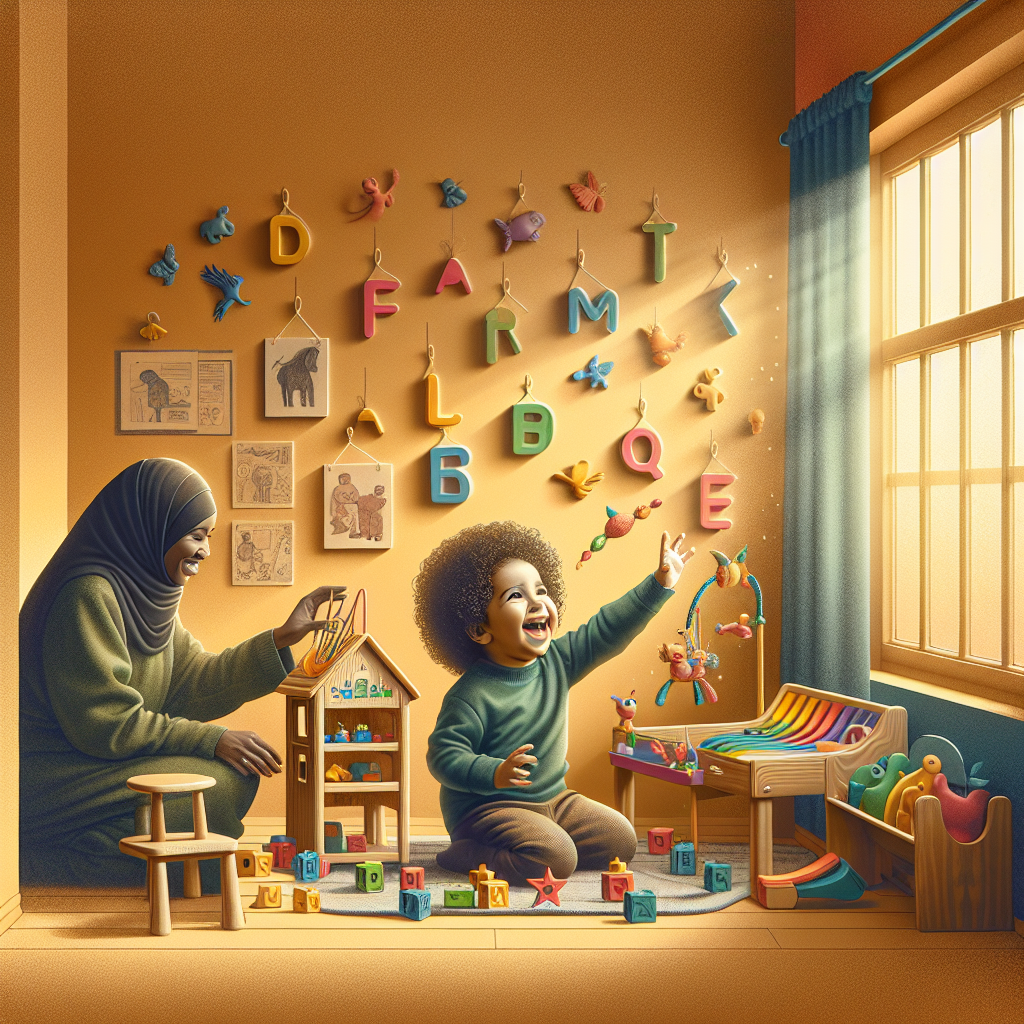
Encouraging learning and exploration is a vital component in understanding how to give your child the best childhood. Children are naturally curious and have an innate desire to explore the world around them. By nurturing this curiosity, you can help them develop a love for learning that lasts a lifetime.
Start by providing a variety of learning opportunities. This could include introducing them to books, educational toys, and interactive games that stimulate their mind. Encourage them to ask questions and seek answers by exploring different subjects that interest them. It's important to recognize that every child learns differently, so offering diverse experiences can cater to their unique learning styles.
Outdoor exploration is equally important as it allows children to connect with nature and gain practical knowledge about the environment. Activities such as hiking, gardening, or visiting a zoo can provide hands-on learning experiences that are both educational and fun. These activities can also foster a sense of wonder and appreciation for the natural world.
Additionally, you can support their learning by being actively involved in their educational journey. This includes helping with homework, attending school events, and discussing what they learned in school. Your involvement shows that you value education and are committed to their academic success.
Creating a supportive environment where learning is celebrated and exploration is encouraged will not only enhance their intellectual growth but also boost their confidence and problem-solving skills. By fostering a culture of curiosity and discovery, you're setting the stage for a fulfilling and enriching childhood experience.
Ensuring Safety and Security

To truly understand how to give your child the best childhood, ensuring their safety and security is paramount. A safe environment allows children to explore and learn without fear, fostering a sense of stability and trust.
Begin by creating a safe physical environment at home. This includes childproofing areas that may pose hazards, such as securing furniture that could tip over, covering electrical outlets, and keeping sharp objects out of reach. It's essential to consistently reassess your living space as your child grows and their mobility and curiosity increase.
Beyond the physical environment, emotional security is crucial in nurturing a child's development. Children need to feel loved and supported to build confidence and self-esteem. Be sure to provide a listening ear, validate their feelings, and offer comfort in times of distress. This emotional support helps them develop resilience and the ability to cope with challenges.
Establishing a routine can also contribute to a child's sense of security. Regular schedules for meals, playtime, and bedtime help children understand what to expect daily, reducing anxiety and promoting a feeling of safety. Consistency in routine can be particularly comforting during times of transition or change.
Furthermore, educate your child about personal safety. Teach them about "stranger danger," the importance of staying close in public places, and how to recognize and avoid risky situations. Encourage open communication so they feel comfortable discussing any concerns or experiences that make them uneasy.
By prioritizing safety and security, both physically and emotionally, you lay a strong foundation for your child's well-being, allowing them to thrive and enjoy a healthy, happy childhood.
Building Strong Family Bonds
One of the key aspects of learning how to give your child the best childhood is focusing on building strong family bonds. A close-knit family provides emotional support, security, and a sense of belonging that contributes significantly to a child's growth and happiness.
Start by prioritizing quality time together. This doesn't necessarily mean planning extravagant outings, but rather engaging in simple, everyday activities that promote connection. Whether it's cooking dinner together, playing board games, or going for a family walk, these moments create lasting memories and strengthen relationships.
Communication is at the heart of family bonding. Encourage open and honest conversations where every family member feels heard and valued. Create a safe space for your child to express their thoughts and emotions without fear of judgment or reprimand. This fosters trust and deepens familial connections.
Shared experiences also play a crucial role in strengthening family ties. Consider establishing family traditions, such as weekly movie nights, annual holidays, or special celebrations for birthdays and achievements. These traditions provide a sense of continuity and belonging, reinforcing the family's unique identity.
Moreover, demonstrating empathy and support during difficult times is vital. Show your child how to handle challenges by working together as a family unit. Whether it's supporting each other during a stressful period or celebrating each other's successes, these experiences teach children the importance of loyalty and cooperation.
Ultimately, investing in strong family bonds enriches your child's life, providing a loving and supportive environment that encourages them to flourish. The love and security derived from these bonds become a foundation upon which they build their future relationships and well-being.
Balancing Structure and Freedom

In mastering how to give your child the best childhood, finding the right balance between structure and freedom is crucial. This equilibrium allows children to explore their independence while still benefiting from the guidance and boundaries provided by their parents.
**Structure** is essential in providing children with a sense of security and predictability. It helps them understand expectations and develop routines that support their daily activities. Clear guidelines and consistent schedules aid in teaching responsibility and time management. For instance, setting specific times for homework, chores, and bedtime establishes a framework that children can rely on.
On the other hand, offering **freedom** encourages creativity, self-expression, and decision-making. Allowing children to make choices in certain areas of their lives fosters independence and confidence. Encourage them to pursue hobbies, explore new interests, and engage in unstructured play. This freedom to experiment and learn from their own experiences is invaluable for their personal growth and development.
Achieving this balance requires open communication and adaptability. Be attentive to your child's needs and preferences, and be willing to adjust the level of structure as they grow and mature. It's important to involve them in the decision-making process, allowing them to voice their opinions and take responsibility for their actions.
By balancing structure and freedom, you provide a nurturing environment that promotes both security and independence, preparing your child to thrive in various aspects of life.
Welcome, and thanks for supporting and patronizing WorkingGran-Gran2020 Print On Demand Website and Platform. Your support helps me to help and donate to the homeless and shelterless organizations. May the Lord richly bless you in your support. Visit us at our shop.