

Welcome, and thanks for supporting and patronizing the WorkingGran-Gran2020 Print On Demand Website and Platform. Your support helps me to help and donate to the homeless and shelterless organizations. May the Lord richly bless you in your support. Check out our collection.
Baby wearing has become a popular choice for parents who seek a convenient and close-knit way to carry their children. As your child grows into a toddler, you may wonder if baby wearing is still an option. The good news is that it is indeed possible to continue this practice, ensuring both safety and comfort for your little one.
In this guide, we will explore how to baby wear a toddler, addressing the unique challenges and benefits associated with this practice. Understanding the basics of toddler baby wearing can significantly enhance your parenting experience by allowing you to keep your child close while having your hands free for other tasks. Moreover, it fosters a stronger bond between you and your toddler, promoting emotional well-being for both.
Whether you are running errands or exploring nature, baby wearing can be a practical solution for managing your toddler's needs. This guide aims to equip you with the knowledge and skills necessary to make the most of baby wearing during the toddler years. We will delve into various types of carriers, safety considerations, and positioning techniques that ensure a comfortable and secure experience for both you and your toddler.
As you embark on this journey, keep in mind the importance of choosing the right carrier and staying informed about best practices to ensure a positive experience. Stay tuned for more insights and tips in the following sections.
Benefits of Baby Wearing a Toddler

Baby wearing offers a multitude of advantages that extend well into the toddler years. As your child becomes more active and curious, the benefits of keeping them close can be even more significant. Here, we delve into some of the most compelling reasons to continue baby wearing your toddler.
1. Strengthening the Parent-Child Bond: By maintaining physical closeness through baby wearing, parents can foster a deeper emotional connection with their toddlers. This proximity helps children feel secure and loved, promoting healthy attachment and emotional development.
2. Enhanced Convenience: Carrying a toddler in a baby carrier can be a lifesaver for busy parents. It allows you to navigate crowded spaces, handle daily tasks, and even travel more easily without the hassle of a bulky stroller. This convenience is especially valuable when dealing with a toddler who may be prone to sudden bouts of independence or tantrums.
3. Promoting Physical Development: Baby wearing encourages toddlers to engage their muscles and balance as they adjust to being carried. This can aid in their physical development and coordination, complementing their natural learning processes as they explore the world around them.
4. Offering Comfort and Security: Transitioning from being held as an infant to a more independent toddler can be daunting for some children. The familiarity and comfort of being worn can help ease this transition, providing a safe haven when they need reassurance or rest.
5. Encouraging Social Interaction: Being at eye level with adults can help toddlers feel more involved in their surroundings and encourage positive social interaction. This can enhance their communication skills and boost their confidence in social settings.
By embracing the practice of baby wearing during the toddler years, you are investing in your child's well-being and your own convenience as a parent. The benefits are numerous, each contributing to a harmonious and nurturing parenting experience.
Choosing the Right Baby Carrier

When it comes to choosing the right baby carrier for your toddler, there are several key factors to consider to ensure both comfort and safety. With numerous styles and brands available, finding the perfect fit can seem daunting, but understanding the basics can help simplify your decision.
1. Consider the Age and Weight of Your Toddler: Not all carriers are designed to accommodate the size and weight of a toddler. Check the manufacturer's guidelines to ensure the carrier can safely support your child's current age and weight. Look for robust materials and strong stitching that can withstand the added weight of a toddler.
2. Evaluate Different Types of Carriers: There are several types of carriers available, each with its unique benefits.
- Soft-structured carriers provide ergonomic support and are adjustable for a snug fit, making them ideal for longer outings.
- Wraps, though typically used for infants, can also accommodate toddlers if made from durable fabric.
- Mei Tais offer flexibility and can be tied in various ways to suit your comfort.
- Backpack carriers are perfect for adventurous parents who enjoy hiking or long walks.
3. Focus on Comfort and Ergonomics: A good carrier should distribute your toddler's weight evenly across your body to prevent strain. Look for padded shoulder straps and a supportive waistband. Ensure that the carrier allows your toddler to sit in an 'M' position, which is the most ergonomic for their hips.
4. Assess Ease of Use: Choose a carrier that you can easily put on and adjust by yourself. Features like adjustable straps, easy-to-use buckles, and clear instructions can make a significant difference in your daily routine.
5. Evaluate the Climate Suitability: Consider the material of the carrier, especially if you live in a hot or cold climate. Breathable fabrics are essential for warmer climates, while thicker materials might be appropriate for cooler environments.
Selecting the right baby carrier is a personal decision that depends on both your lifestyle and your toddler's needs. By taking into account these factors, you can ensure a safe, comfortable, and enjoyable baby wearing experience for both you and your little one.
Safety Tips for Toddler Wearing
Ensuring the safety of your toddler while baby wearing is paramount. With the right precautions and awareness, you can enjoy the benefits of toddler wearing without compromising on safety. Here are some essential safety tips to consider:
1. Check the Carrier Regularly: Before each use, inspect your carrier for any signs of wear and tear such as weak seams, frayed straps, or damaged buckles. These issues can compromise the safety of the carrier, especially when supporting the weight of a toddler.
2. Ensure Proper Positioning: A toddler should be positioned upright, with their face visible at all times. The carrier should support their back and neck, keeping them in an ergonomic 'M' position with knees higher than their bottom. Ensure that their airway is clear, with no fabric covering their face.
3. Secure All Fastenings: Make sure all buckles, snaps, and ties are securely fastened. It's crucial to check these elements periodically, especially during extended periods of wearing, to ensure nothing has come loose.
4. Be Aware of Your Surroundings: While wearing a toddler, your spatial awareness changes. Be cautious of low doorways, tight spaces, and obstacles that could pose a risk. Additionally, avoid activities that could be hazardous, such as cooking or handling hot liquids.
5. Practice Safe Movements: Bend at the knees instead of the waist to avoid toppling forward. Support your toddler with one or both hands when leaning or bending. This practice helps maintain balance and reduces the risk of falls.
6. Dress Appropriately: Dress your toddler in layers to prevent overheating, as your body heat will add warmth. Always be mindful of temperature changes and adjust clothing accordingly.
By following these safety tips, you can ensure a secure and enjoyable baby wearing experience for both you and your toddler. Remember, the key to safe toddler wearing is vigilance and regular checks to maintain the integrity of your carrier and the safety of your child.
Techniques for Comfortable Baby Wearing

Achieving comfort while baby wearing a toddler is essential for both the caregiver and the child. With the right techniques, you can enjoy long periods of wearing without discomfort. Here are some effective techniques to ensure a comfortable baby wearing experience:
1. Choose the Right Carrier: The key to comfort is selecting a carrier that suits both your body type and your toddler’s size. There are various types of carriers, such as wraps, slings, and structured carriers, each offering unique benefits. Try different options to see which provides the most support and comfort for extended wear.
2. Adjust for Ergonomics: Proper adjustment of the carrier is crucial. Ensure that the straps are snug but not too tight, distributing your toddler's weight evenly across your shoulders and hips. A well-fitted carrier minimizes strain and enhances comfort, allowing you to wear your toddler for longer periods.
3. Practice Good Posture: Maintain an upright posture while baby wearing. Stand tall with your shoulders back and your core engaged. This posture supports your back and prevents the aches and pains that often accompany prolonged wearing.
4. Use the Hip Carry Position: For older toddlers, the hip carry position can be more comfortable. It allows your toddler to sit on your hip, which is a natural position for both of you. This technique can reduce shoulder and back strain, providing a more comfortable experience.
5. Take Breaks: It’s important to take regular breaks to stretch and rest. Even the most comfortable setup can cause fatigue after a while. Use these breaks to adjust your carrier and check on your toddler’s comfort as well.
By incorporating these techniques, you can make baby wearing a more enjoyable and comfortable experience. Remember that comfort is key to making baby wearing sustainable and pleasant for both you and your toddler.
Troubleshooting Common Baby Wearing Issues
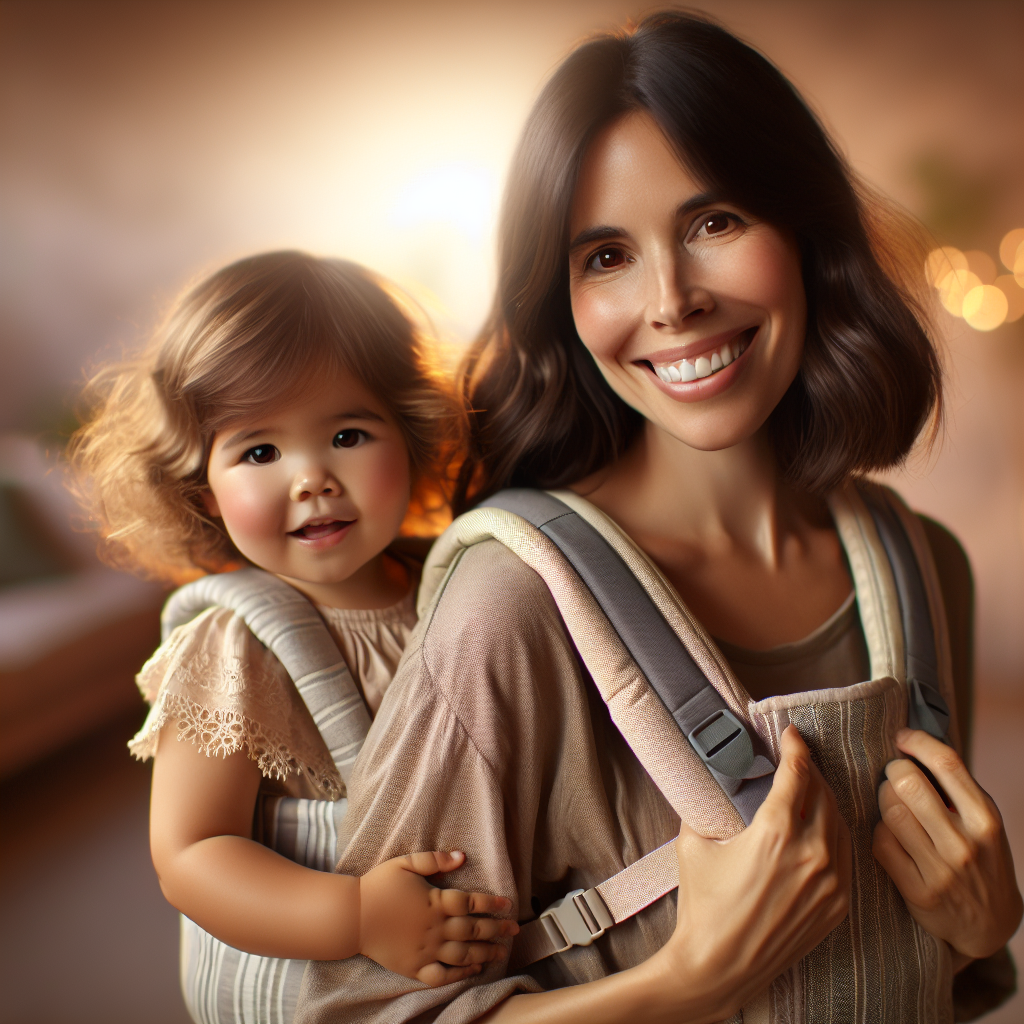
While baby wearing a toddler can be a wonderful experience, it's not uncommon to encounter some challenges along the way. Understanding how to troubleshoot these common issues can help ensure that both you and your toddler enjoy the benefits of baby wearing.
1. Discomfort or Pain: If you experience discomfort or pain while wearing your toddler, it may be due to improper carrier adjustment. Ensure that the carrier is snug and that the weight is evenly distributed. Adjust the straps and check that your toddler is positioned correctly, with their knees higher than their bottom.
2. Toddler Resisting the Carrier: Sometimes toddlers can be fussy and resist being worn. To address this, try engaging them with a toy or a song to distract them. You might also want to introduce baby wearing gradually, starting with short periods and gradually increasing the time as they become more comfortable.
3. Overheating: Toddlers can quickly become warm when being worn, especially in hot weather. Keep an eye on their temperature and dress them in lightweight clothing. Ensure the carrier is breathable and consider using a carrier that allows better airflow.
4. Carrier Slipping: If the carrier feels like it’s slipping or loosening, recheck your carrier’s fit and make sure all buckles and ties are secured tightly. Some carriers may require readjustment throughout the day, especially as you move around.
Addressing these issues promptly can make a significant difference in the baby wearing experience. Remember, practice and patience are key to mastering baby wearing. Each child and parent is different, so what works for one might not work for another.
Welcome, and thanks for supporting and patronizing the WorkingGran-Gran2020 Print On Demand Website and Platform. Your support helps me to help and donate to the homeless and shelterless organizations. May the Lord richly bless you in your support.