

Welcome, and thanks for supporting and patronizing WorkingGran-Gran2020 Print On Demand Website and Platform. Your support helps me to help and donate to the homeless and shelterless organizations. May the Lord richly bless you in your support. Check out our designs.
When considering the cost of printing on a mug, several factors come into play that can influence the final price. Whether you're looking to create a personalized gift, promote your business, or simply add some flair to your morning routine, understanding these cost components is crucial. The cost to print on a mug is determined by a combination of factors such as the type of mug, the printing method, design complexity, and order quantity.
Firstly, the type of mug you choose plays a significant role. Mugs come in various materials, including ceramic, glass, and stainless steel, each affecting the price differently. Ceramic mugs are generally the most affordable, while stainless steel mugs tend to be on the higher end.
Secondly, the printing method used also impacts the cost. Common techniques include screen printing, dye-sublimation, and digital printing. Each method has its cost structure, with dye-sublimation often being more expensive due to its ability to produce high-quality, full-color designs.
Additionally, the complexity of the design can affect the price. Simple one-color logos will be less expensive than intricate, multi-colored artwork. Finally, the quantity of mugs ordered can influence the cost per unit. Bulk orders usually come with discounts, making them more economical for large-scale projects.
Factors Affecting Printing Prices
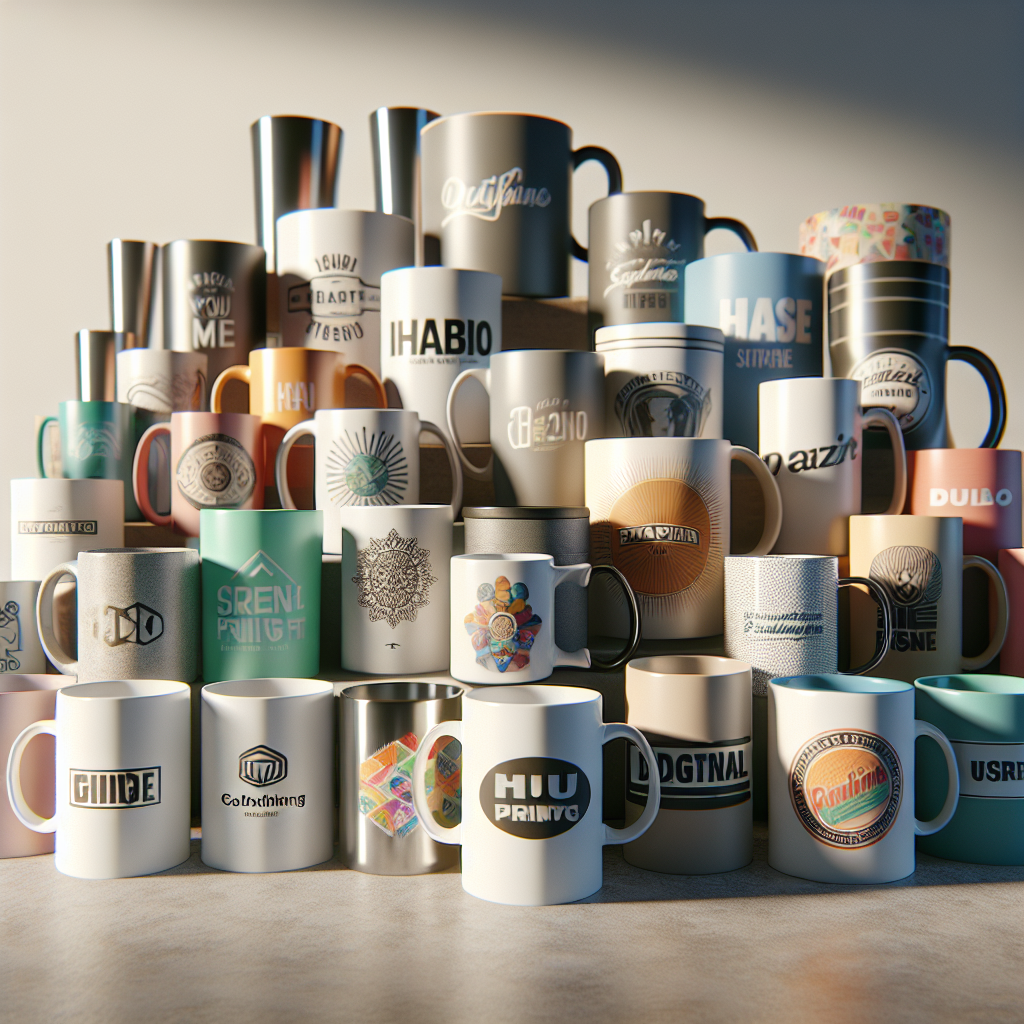
Several key factors directly impact the cost of printing on a mug. Understanding these elements can help you make informed decisions and budget accordingly for your project.
One major factor is the type of mug you select. As mentioned earlier, materials like ceramic, glass, and stainless steel come with different price points. Ceramic mugs are typically more budget-friendly, whereas glass and stainless steel options can be more expensive due to their durability and aesthetic appeal.
Another crucial element is the printing method. The three most common methods—screen printing, dye-sublimation, and digital printing—each have their own pricing structures. Screen printing is generally cost-effective for simple designs and bulk orders. Dye-sublimation offers vibrant, full-color prints but can be pricier. Digital printing provides flexibility for detailed designs but may come at a higher cost per unit.
The complexity of the design also plays a significant role. Simpler, one-color designs are less expensive to produce than complex, multi-colored graphics. Custom artwork, especially those requiring high levels of detail, can increase the overall cost.
Lastly, the order quantity can greatly influence the price. Printing companies often offer bulk discounts, making it more economical to order larger quantities. For example, ordering 100 mugs might significantly lower the cost per unit compared to ordering just 10.
By considering these factors—type of mug, printing method, design complexity, and order quantity—you can better estimate how much to print on a mug and plan your budget accordingly.
Material and Quality Considerations
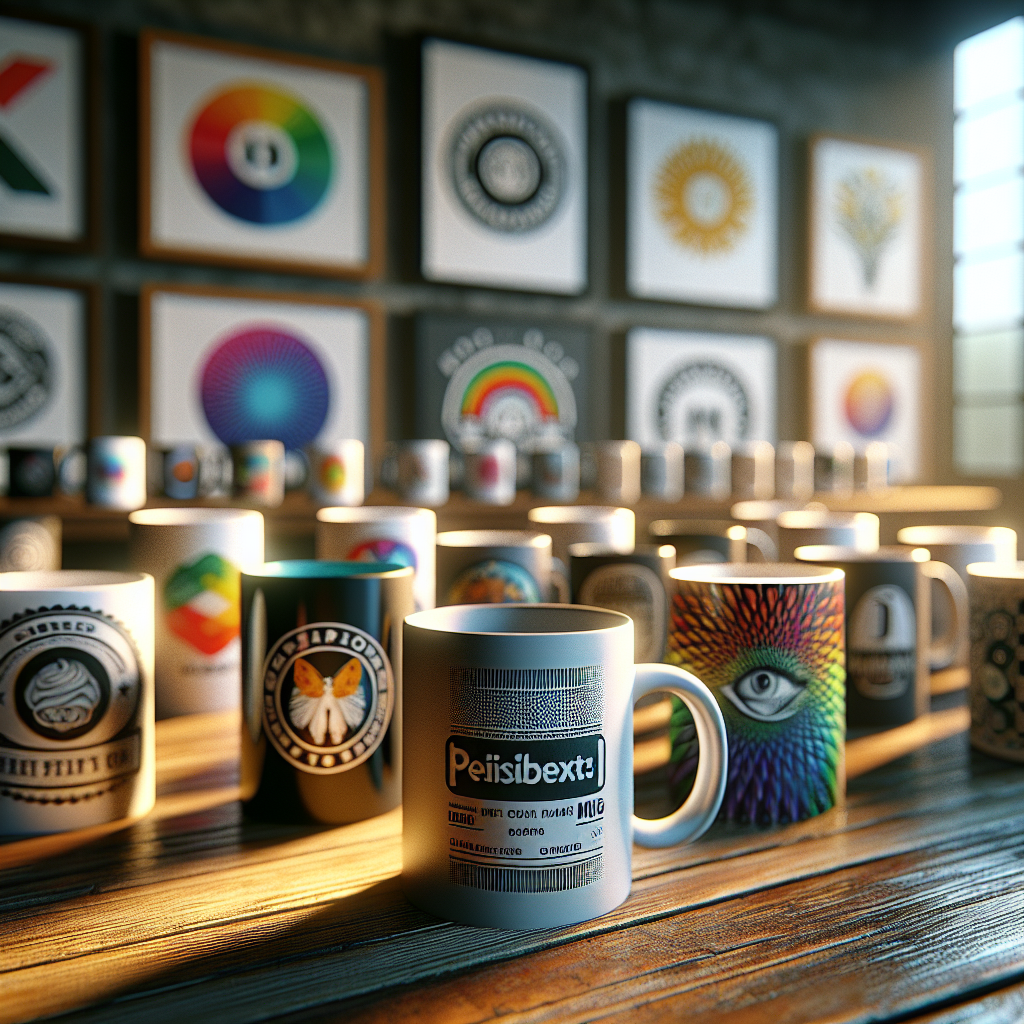
When it comes to printing on a mug, material and quality are pivotal considerations that can influence both cost and final product appeal. Choosing the right material ensures durability, aesthetics, and suitability for your intended use.
The most common materials for mugs include ceramic, glass, and stainless steel. Each of these materials has its unique set of advantages and price points:
- Ceramic: Ceramic mugs are the most popular choice due to their affordability and versatility. They are excellent for everyday use and can be customized with a wide range of designs. However, they can be prone to chipping and may not be the best option for highly durable needs.
- Glass: Glass mugs offer a sophisticated and elegant look, making them ideal for special occasions or gifts. They are generally more expensive than ceramic and are prone to breaking, but they provide a premium feel and exceptional clarity for detailed designs.
- Stainless Steel: Stainless steel mugs are known for their durability and insulation properties, making them perfect for travel or outdoor activities. They tend to be on the higher end of the price spectrum but offer excellent longevity and a sleek, modern appearance.
The quality of the mug also depends on the coating and finish. A high-quality coating ensures that the design adheres well and remains vibrant over time. For instance, mugs with a high-gloss finish can make colors pop, while matte finishes offer a more subdued, elegant look.
Additionally, consider the thickness and weight of the mug. Heavier mugs often feel more substantial and can convey a sense of quality, but they may also be more expensive to ship. Balancing these factors will help you select the best material and quality for your needs, ensuring that the final product meets your expectations and provides lasting satisfaction.
Design Complexity and Customization
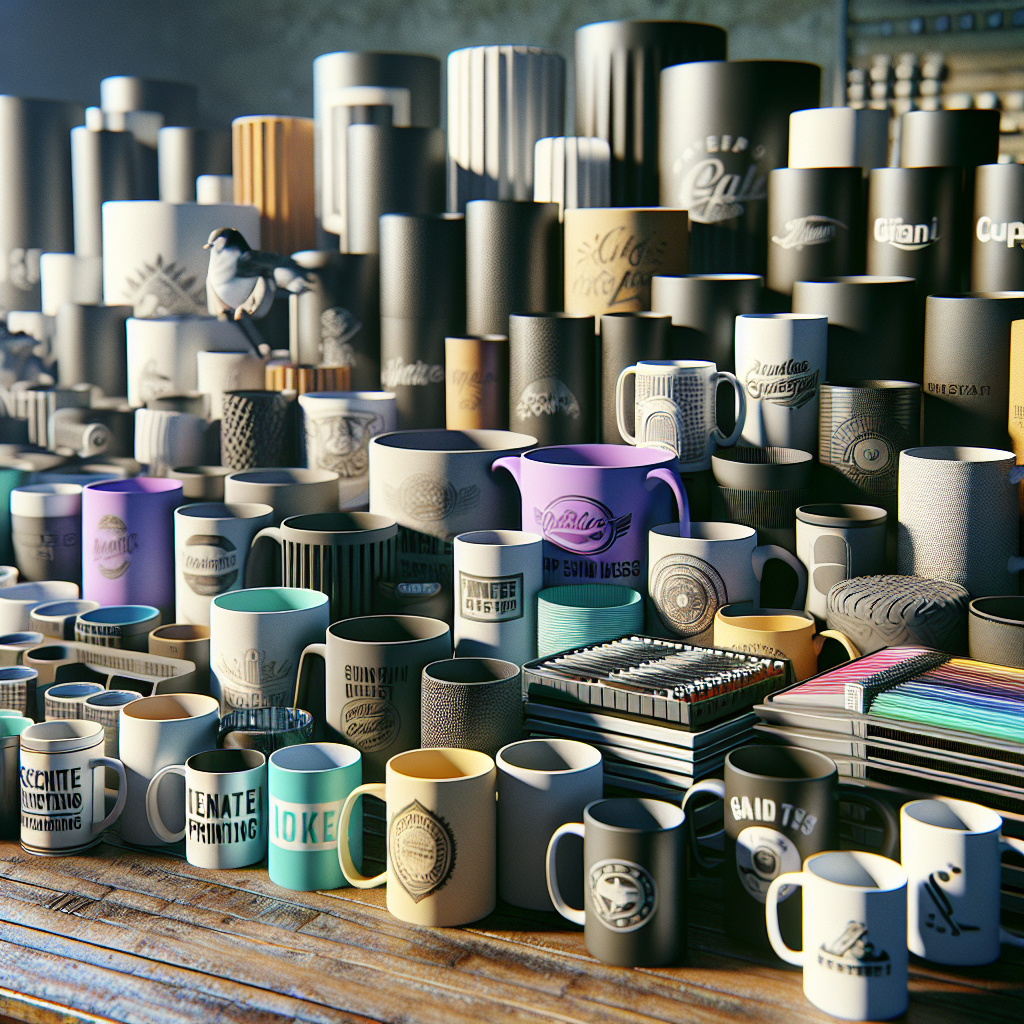
When considering how much to print on a mug, one of the significant factors that come into play is the design complexity and customization. The intricacy of your design and the level of customization you require can greatly impact the overall cost.
Simple designs such as single-color logos or text are generally more affordable to print. These designs require fewer printing passes and less ink, making them cost-effective for both small and large orders. They also tend to have shorter production times, which can be beneficial if you need a quick turnaround.
On the other hand, complex designs that incorporate multiple colors, gradients, or intricate patterns usually come with a higher price tag. These designs require advanced printing techniques such as sublimation or digital printing, which can handle the detailed artwork but at an increased cost. Additionally, the more detailed the design, the longer it will take to produce, which can also contribute to higher costs.
Customization options such as adding personalized text, images, or graphics can further affect the cost. For example, mugs that feature individual names or photos require additional setup and printing time. This level of personalization is perfect for gifts, corporate branding, or special events, but it does come at a premium.
Moreover, the choice of design placement can influence the price. Printing a design on just one side of the mug is generally less expensive than wrapping the design around the entire mug. Full-wrap designs require more material and precision, thus increasing the overall cost.
Lastly, consider the design proofing and revisions. Some print-on-demand services offer free proofs and a limited number of revisions, while others may charge for these services. Ensuring that your design is perfect before the final print can save you from additional costs and delays.
In summary, while a more complex and customized design can make your mug stand out, it's essential to be mindful of how these elements can affect your budget. Balancing creativity with cost efficiency will help you achieve a beautiful and affordable final product.
Bulk Orders and Discounts
If you're looking to get the best value for your money when determining how much to print on a mug, bulk orders and discounts can be a game-changer. Ordering in bulk often unlocks significant savings, making it an attractive option for businesses, event planners, and anyone needing a large quantity of custom mugs.
Volume discounts are a common practice in the print-on-demand industry. The more mugs you order, the lower the cost per unit becomes. This is because the setup costs, which include preparing the design and setting up the printing equipment, are distributed across a larger number of items. For instance, ordering 100 mugs might cost significantly less per mug than ordering just 10.
Additionally, many printing services offer tiered pricing structures. These structures provide different price breaks at various order quantities. For example, you might get a 10% discount for orders of 50 mugs, a 20% discount for 100 mugs, and so on. It's worth asking about these tiers when requesting a quote, as they can help you plan your budget more effectively.
Beyond the cost per unit, bulk orders can also save on shipping costs. Many providers offer reduced shipping rates or even free shipping for large orders, which can further reduce your overall expenses. Consolidating shipments not only saves money but also reduces packaging waste, making it a more environmentally friendly option.
Moreover, some companies provide loyalty programs or subscription services for frequent bulk buyers. These programs often come with additional perks such as exclusive discounts, early access to new products, and priority customer service. If you anticipate needing custom mugs regularly, enrolling in such a program can provide long-term benefits.
It's also essential to consider the potential for additional services that may come with bulk orders. Some providers offer free design consultations, expedited production timelines, or complementary samples to ensure that the final product meets your expectations. Taking advantage of these services can enhance the overall quality and satisfaction of your order.
In conclusion, while the initial cost of a bulk order might seem high, the benefits of volume discounts, reduced shipping costs, and additional services can make it a cost-effective choice. Whether you're planning a large event or stocking up for your business, bulk orders offer a practical way to maximize your budget and meet your needs efficiently.
Conclusion on Mug Printing Expenses

After exploring the various factors involved in determining how much to print on a mug, it’s clear that several elements influence the final cost. From the choice of materials and design complexity to the quantity ordered and potential bulk discounts, each aspect plays a crucial role in shaping your overall expenses.
Material selection is foundational—selecting between ceramic, glass, or stainless steel can significantly impact the price. Additionally, the design intricacies, including the number of colors and the surface area covered, can add to the costs. It's also essential to consider the expertise required for certain designs, especially if they need specialized printing techniques.
Opting for bulk orders can provide substantial savings, making it an attractive option for larger projects. Volume discounts, reduced shipping costs, and additional services that accompany bulk orders can make them a practical and economical choice. Enrolling in loyalty programs or subscription services can further enhance these benefits, providing long-term value.
Ultimately, understanding these cost factors allows you to make informed decisions that align with your budget and needs. Whether you’re ordering a single mug or planning a large batch, careful consideration of these elements can help you achieve the best possible outcome.
Welcome, and thanks for supporting and patronizing WorkingGran-Gran2020 Print On Demand Website and Platform. Your support helps me to help and donate to the homeless and shelterless organizations. May the Lord richly bless you in your support. Visit our shop to start your custom mug printing journey today!