

When venturing into the great outdoors, one of the most intriguing aspects is the ability to recognize and differentiate animal tracks. **Dog prints** and **bobcat prints** are often encountered by hikers, hunters, and wildlife enthusiasts. Understanding the differences between these prints can enhance your outdoor experience and deepen your connection with nature.
Dog prints are commonly seen due to the presence of domestic dogs in various environments. These prints are often rounder and show claw marks, as dogs typically do not retract their claws. On the other hand, bobcat prints are more elusive and are characterized by a more oval shape and lack of claw marks due to their retractable claws.
**Welcome, and thanks for supporting and patronizing WorkingGran-Gran2020 Print On Demand Website and Platform. Your support helps me to help and donate to the homeless and shelterless organizations. May the Lord richly bless you in your support.** Explore our unique designs inspired by the beauty of nature and wildlife.
Key Differences Between Dog and Bobcat Prints
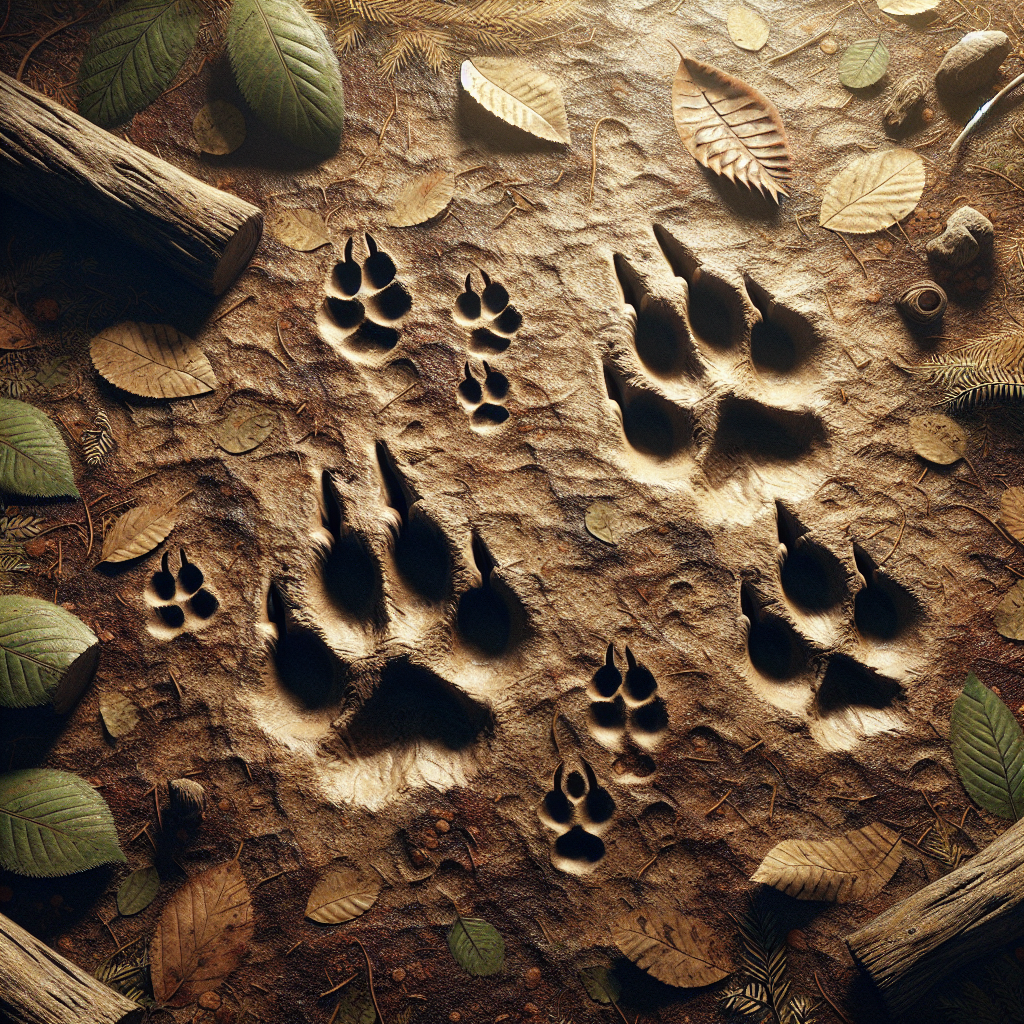
Identifying the key differences between **dog prints** and **bobcat prints** can be crucial for anyone interested in wildlife tracking. Here are some significant distinctions to help you tell them apart:
- Shape: Dog prints are generally rounder, whereas bobcat prints are more oval. This difference in shape is one of the first indicators to look for.
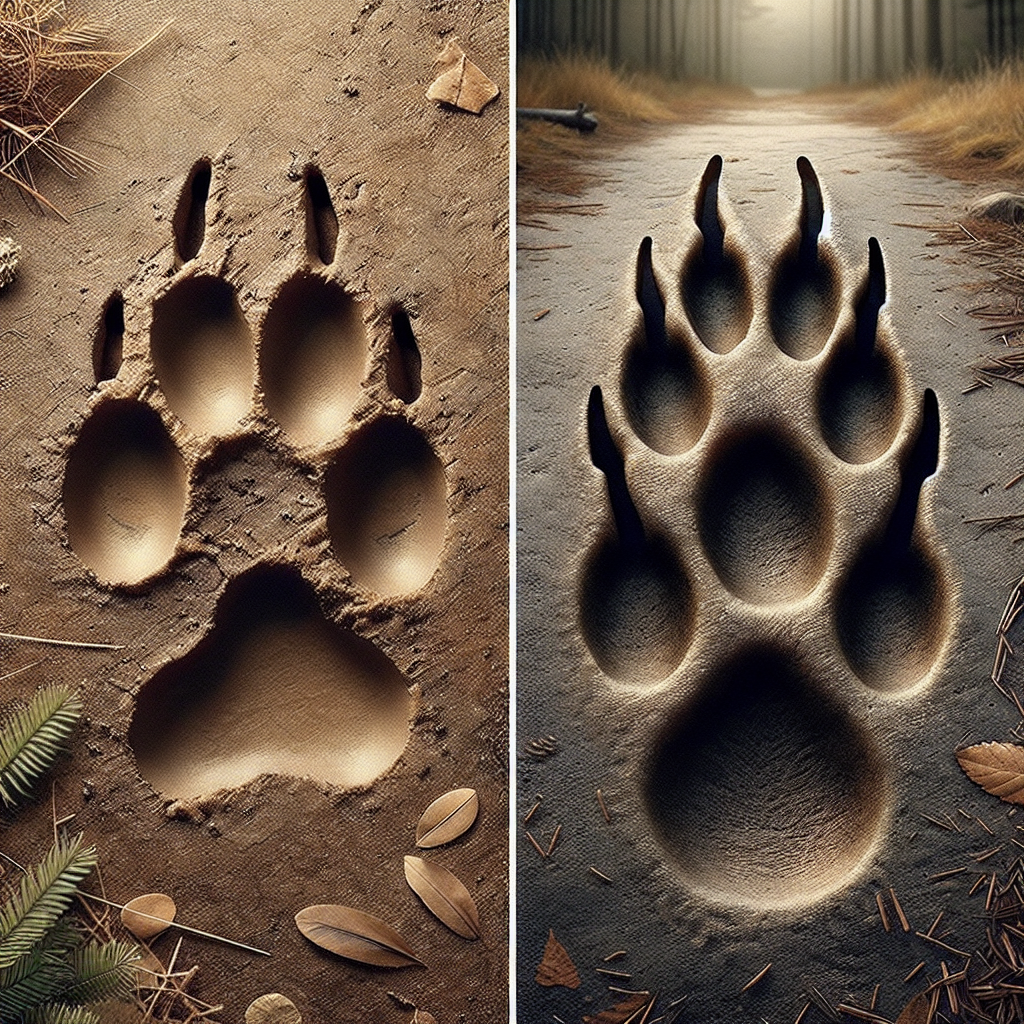
- Claw Marks: Dog prints typically show claw marks because dogs do not retract their claws. In contrast, bobcat prints usually lack claw marks, as these animals have retractable claws.
- Toe Arrangement: Dogs have four toes on each paw, and their toe arrangement is more symmetrical. Bobcats also have four toes, but their toe arrangement is more asymmetrical, with two leading toes appearing slightly in front of the others.
- Palm Pad: The palm pad of a dog print is larger and more triangular, while a bobcat’s palm pad tends to be smaller and more rounded.
- Size: Generally, dog prints are larger than bobcat prints. However, this can vary depending on the size of the dog or bobcat.
By paying attention to these key differences, you can quickly distinguish between the tracks of these two animals, making your outdoor adventures more informative and exciting.
Identifying Dog Prints: What to Look For
When it comes to identifying **dog prints**, there are several distinctive features to look for that can help you differentiate them from other animal tracks:
- Claw Marks: One of the most noticeable features of dog prints is the presence of claw marks. Unlike cats, dogs do not retract their claws, so you will often see small indentations made by their claws in the print.
- Shape and Symmetry: Dog prints are typically more round and symmetrical, with four toes arranged in a neat, even pattern. The overall shape is usually oval or rounded.
- Toe Pads: Each of the four toes has a distinct pad that is well-defined and rounded. The toe pads usually align in a way that makes the print look balanced.
- Palm Pad: The palm pad of a dog print is often larger and more triangular compared to other animals. It consists of two lobes at the front and a single lobe at the back, creating a heart-like shape.
- Size: Dog prints can vary in size depending on the dog's breed and age. However, they are generally larger than those of smaller wild animals like rabbits or foxes.
- Stride and Track Pattern: Dogs often leave a straight line of prints, as they tend to walk with a consistent stride. The distance between each print can give you clues about the size and speed of the dog.
By focusing on these characteristics, you can confidently identify dog prints during your outdoor excursions. Whether you are tracking a pet or exploring a natural habitat, recognizing these features will enhance your understanding of the environment around you.
Recognizing Bobcat Prints: Essential Features
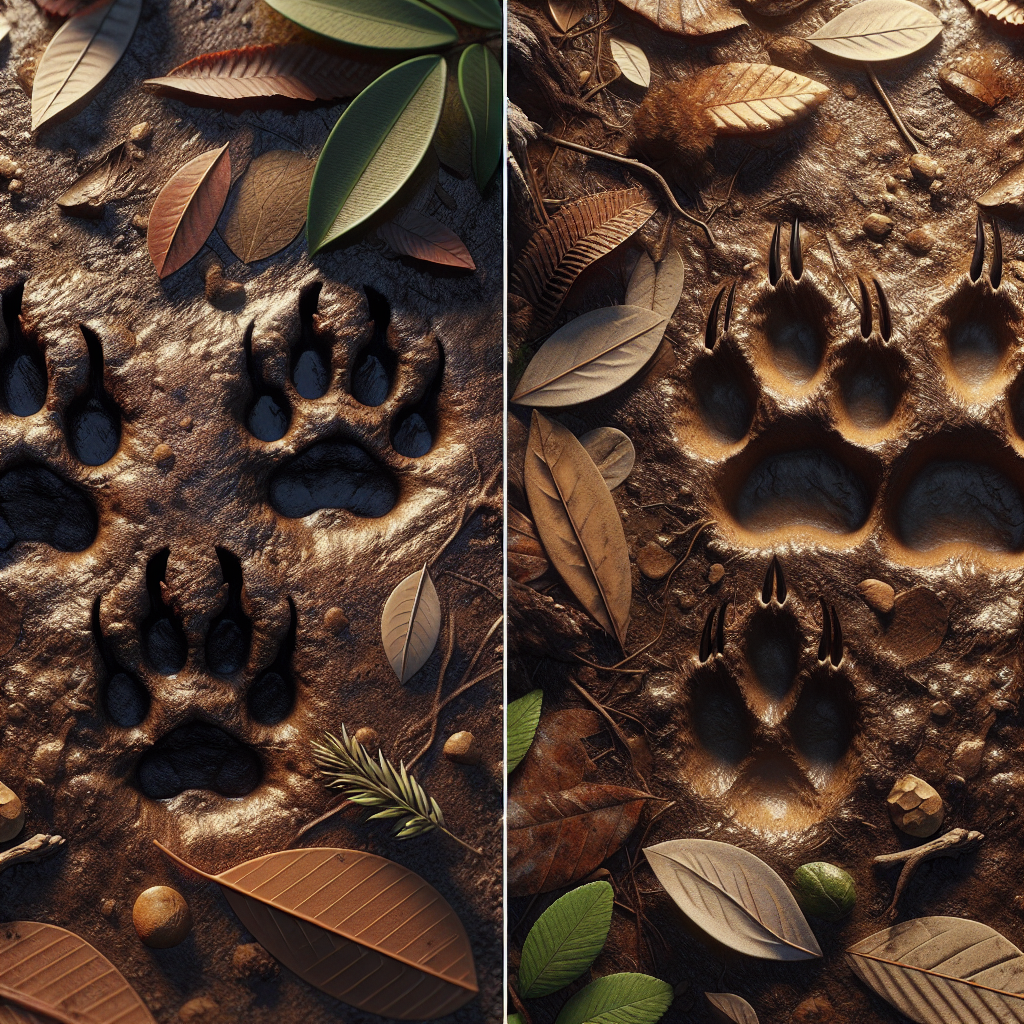
Recognizing **bobcat prints** involves paying attention to several key characteristics that distinguish them from other animal tracks. Here are the essential features to look for:
- No Claw Marks: Unlike dog prints, bobcat prints typically do not display claw marks. This is because bobcats, like other felines, have retractable claws that do not usually appear in their tracks.
- Shape and Symmetry: Bobcat prints are generally more asymmetrical than dog prints. They have a distinctive, rounded shape with four toes that are not as evenly spaced as those of a dog.
- Toe Pads: Each toe pad in a bobcat print is teardrop-shaped and often shows a slight separation between the front two toes and the back two toes. This creates a more irregular pattern compared to dog prints.
- Palm Pad: The palm pad of a bobcat print is larger and has a distinctive three-lobed shape at the bottom, resembling an 'M' or a 'W.' This feature is a key identifier when distinguishing bobcat tracks from other animals.
- Size: Bobcat prints are generally smaller than those of larger canines but larger than those of domestic cats. The typical size ranges from 1.5 to 2.5 inches in width and length.
- Stride and Track Pattern: Bobcats have a more erratic and less consistent stride compared to dogs. Their tracks often show a direct register where the hind foot lands directly on top of the front print, creating a cleaner, more compact trail.
By focusing on these distinctive features, you can accurately identify bobcat prints in the wild. Whether you are an avid wildlife tracker or simply enjoy exploring nature, recognizing these characteristics will deepen your connection with the natural world.
Practical Tips for Tracking and Identification
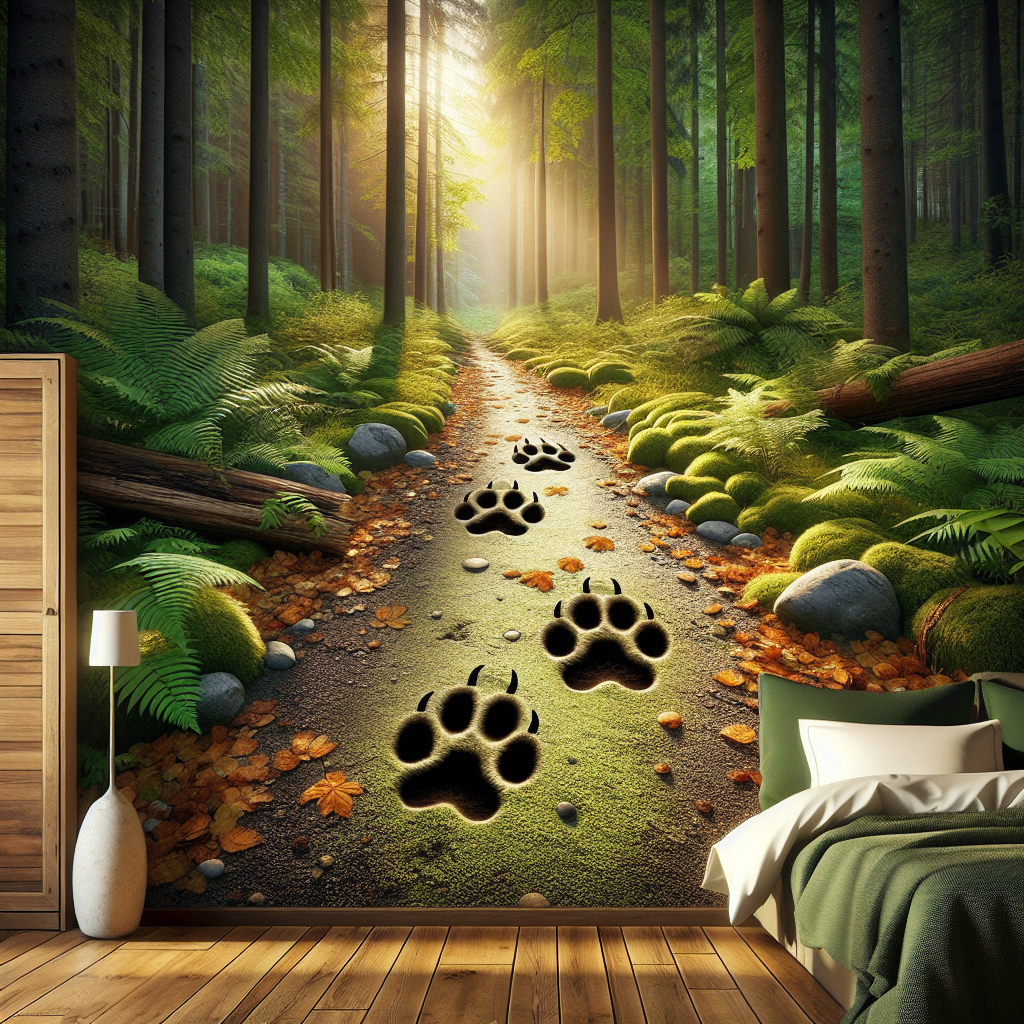
When it comes to tracking and identifying animal prints, especially those of dogs and bobcats, having a few practical tips up your sleeve can make all the difference. Here are some essential strategies to enhance your tracking skills:
- Study the Environment: The context in which you find a print can provide vital clues. **Bobcats** are more likely to be found in wooded, rocky, or secluded areas, while **dogs** are often associated with human activity and open spaces.
- Take Measurements: Carry a small ruler or measuring tape to measure the size of the tracks. As mentioned earlier, bobcat prints are typically between 1.5 to 2.5 inches, whereas dog prints can vary widely but are generally larger.
- Use a Tracking Journal: Keeping a journal of your findings, including sketches, measurements, and environmental notes, can help you compare and contrast different prints over time. It also aids in recognizing patterns and improving your identification skills.
- Photograph the Prints: Take clear, well-lit photos of the prints from multiple angles. This allows you to analyze the tracks in detail later and share them with experienced trackers for a second opinion.
- Observe the Track Pattern: Look for a sequence of prints rather than a single track. The stride length, gait, and overall pattern can offer insights into the animal's movement and behavior.
- Consider the Substrate: The type of ground where you find the prints can affect their appearance. Mud, snow, sand, and soft soil will capture more detailed impressions than rocky or hard surfaces.
- Learn from Experts: Join a local tracking group or take a wildlife tracking course to learn from experienced trackers. Hands-on experience and expert guidance can significantly enhance your skills.
By applying these practical tips, you'll not only improve your ability to distinguish between **dog prints** and **bobcat prints**, but also gain a deeper appreciation for the art and science of wildlife tracking.
Common Misconceptions and FAQs
Welcome, and thanks for supporting and patronizing WorkingGran-Gran2020 Print On Demand Website and Platform. Your support helps me to help and donate to the homeless and shelterless organizations. May the Lord richly bless you in your support.
When it comes to distinguishing between dog prints and bobcat prints, several common misconceptions can lead to confusion. Here are some frequently asked questions and clarifications to help you accurately identify these animal tracks:
- Is size the only factor that differentiates dog prints from bobcat prints? No, size is just one aspect. While bobcat prints are generally smaller, the shape and absence of claw marks are also crucial indicators.
- Can dog prints ever look like bobcat prints? In some cases, yes. Certain breeds of dogs with smaller paws and retracted claws can leave prints that resemble bobcat tracks. Always consider the context and other identifying features.
- Do bobcats leave claw marks in their prints? Typically, no. Bobcats have retractable claws, so their prints usually lack claw marks. In contrast, dog prints often show visible claw impressions.
- Are dog prints always found near human activity? While dogs are commonly associated with human environments, they can also venture into wild areas. Similarly, bobcats can sometimes be found near suburban regions.
- Can weather conditions affect the appearance of prints? Absolutely. Rain, snow, and wind can alter the clarity and details of animal tracks, making identification more challenging.
- Is it possible to confuse bobcat prints with those of other wild cats? Yes, bobcat prints can sometimes be mistaken for those of other wild cats like lynxes. However, regional habitat knowledge and additional track features can help differentiate them.
Understanding these common misconceptions and frequently asked questions can greatly enhance your ability to accurately identify and differentiate between **dog prints** and **bobcat prints**. The more you learn, the more skilled and confident you'll become in your tracking endeavors.
Welcome, and thanks for supporting and patronizing WorkingGran-Gran2020 Print On Demand Website and Platform. Your support helps me to help and donate to the homeless and shelterless organizations. May the Lord richly bless you in your support.